Triple-A Games: How Developers' Strategies May Be Leading the Industry Into a Crisis
Why Do AAA Games Cost So Much, Sell Less, and Lead to More Layoffs? An Analysis of the Industry Crisis and Five Ways for the Market to Survive.
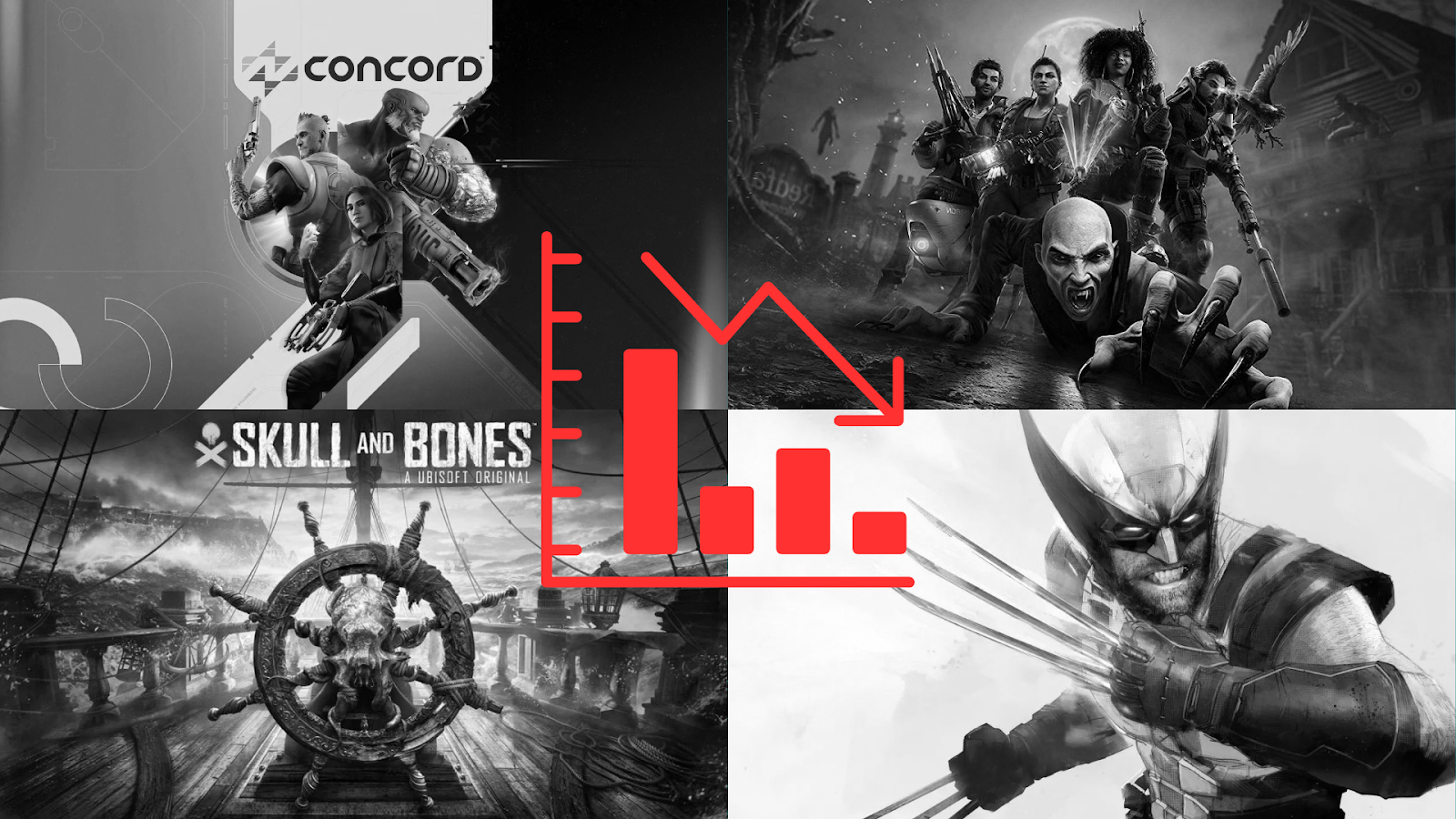
In a year of great turmoil in the gaming industry, it’s undeniable that gamers are experiencing a golden age in the world of gaming. Quality, in this case, refers to the vast library of games—in all forms and catering to all tastes—that a player can choose to play for a few hours, months, or even years. However, on the industry side, we’re seeing major upheaval among developers, and it’s a time of great danger for some players.
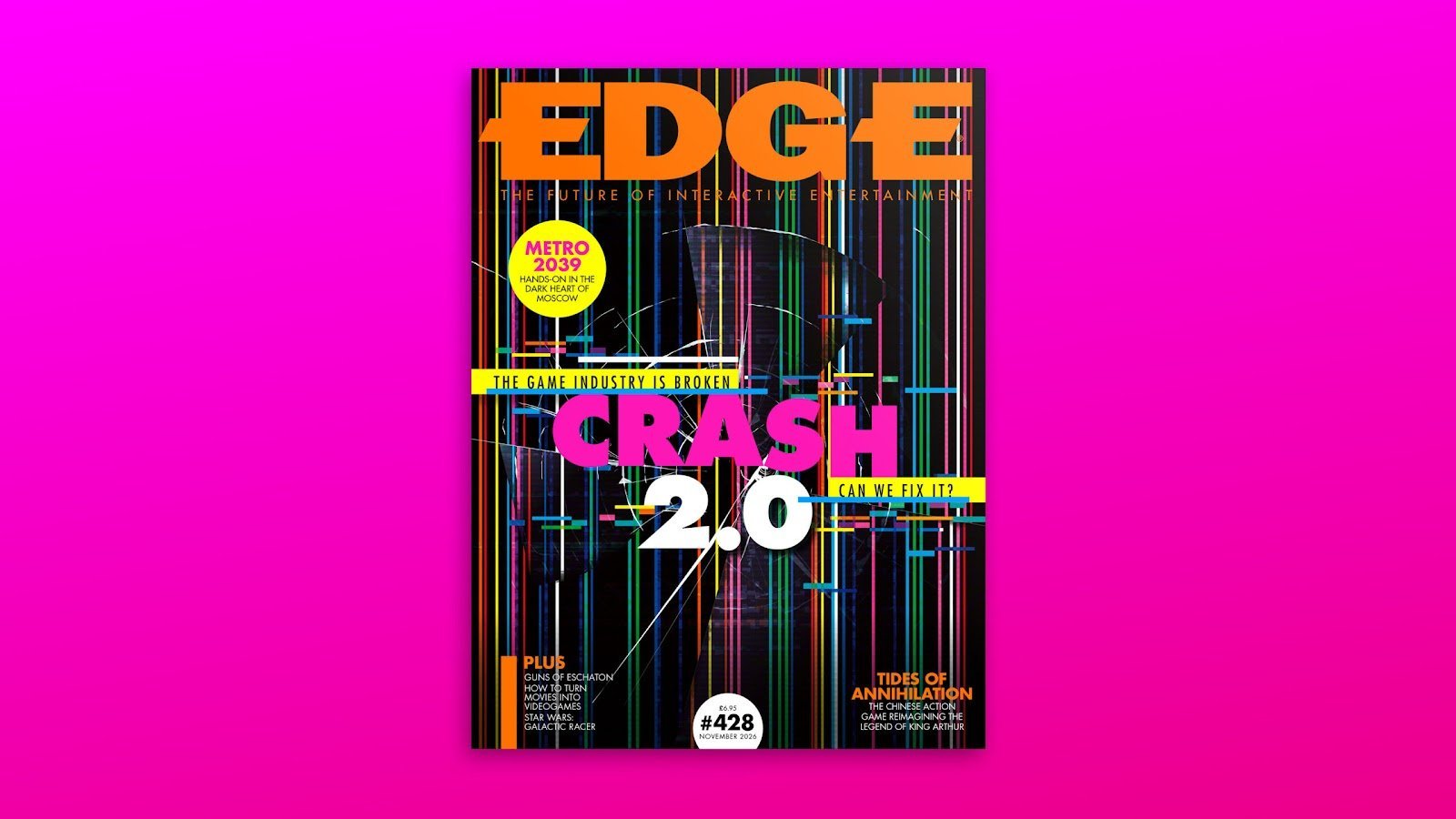
In an article published in the British magazine Edge, leading figures in the gaming industry have reached a consensus that, despite the quality of the games, we are experiencing a kind of bubble in this market—one that risks bursting and leading to instability in the sector. The most forceful statement came from Tim Sweeney, CEO of Epic Games: in his view, we are experiencing the industry’s biggest crisis since the 1980s.
One point frequently raised in this context is that the main victim of this turmoil is a specific segment of the industry: triple-A companies. This article will examine the dangers these companies face today and whether there are viable options for the industry’s future stability—or if they are headed for collapse.
Shawn Layden's Equation
The article in Edge magazine notes that the large-scale gaming industry—particularly triple-A companies—is operating under an unsustainable structure. For this investigation, a notable analysis by Shawn Layden was used as a reference, as it aligns with the situation facing these companies. Layden is a veteran industry executive who served as president of Sony Computer Entertainment Japan, president and CEO of Sony Interactive Entertainment America, and, most recently, chairman of SIE Worldwide Studios—a position in which he oversaw the overall strategy and development of the studios that produce first-party games for PlayStation. Today, Layden works as a consultant and industry commentator.
In his view, the gaming industry is facing a situation that does not allow for the long-term sustainability of companies. It boils down to three factors: budget + price + audience. Ironically, these three factors are precisely among the main problems faced by triple-A titles:
Budget. As humanity witnesses technological advancements, the video game industry strives to keep pace with this progress by improving all aspects of its offerings—whether in graphics, processing power, or the breadth of content included. Consequently, companies need to invest more and more: more professionals, more powerful processing equipment, and more time spent developing the game. The planned budget tends to grow to accommodate the full scope of the project.
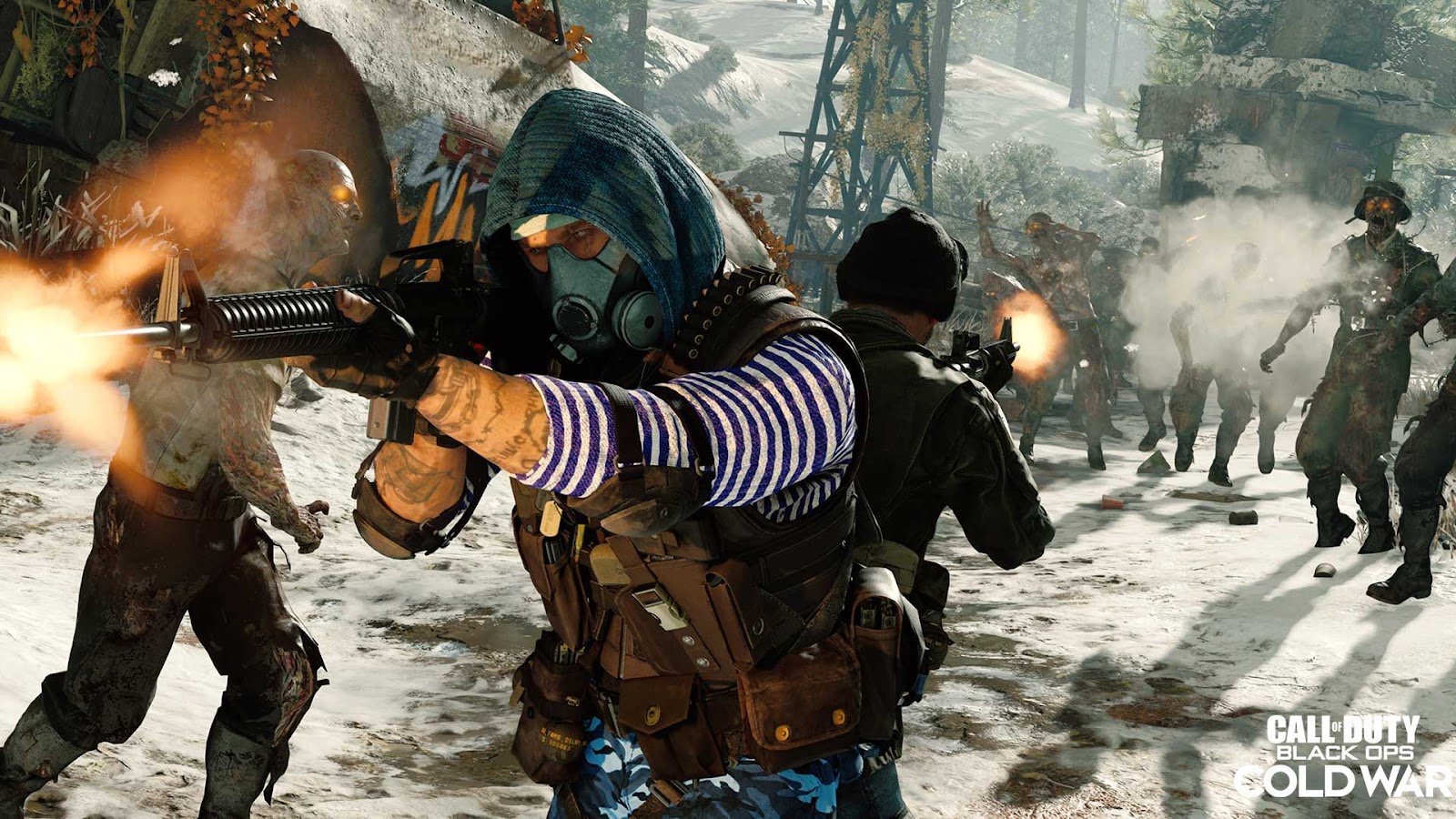
This trend of rising costs can be seen in major franchises: Call of Duty, for example, spent $450 million to produce Black Ops III in 2015. Five years later, Black Ops Cold War cost $700 million to produce—a jump of more than 55% in half a decade.
Price. Every cost in the budget must generate a return; that’s basic business logic. Therefore, the company must, in some way, pass on these production costs to the price of its games. And this is very clear today: game prices have reached historically high levels, with some base editions exceeding R$500. GTA 6, one of the most expensive games ever produced, is available in Brazil for R$449.90 for the standard edition and R$549.90 for the Ultimate edition—a price point that would have been unthinkable a decade ago.
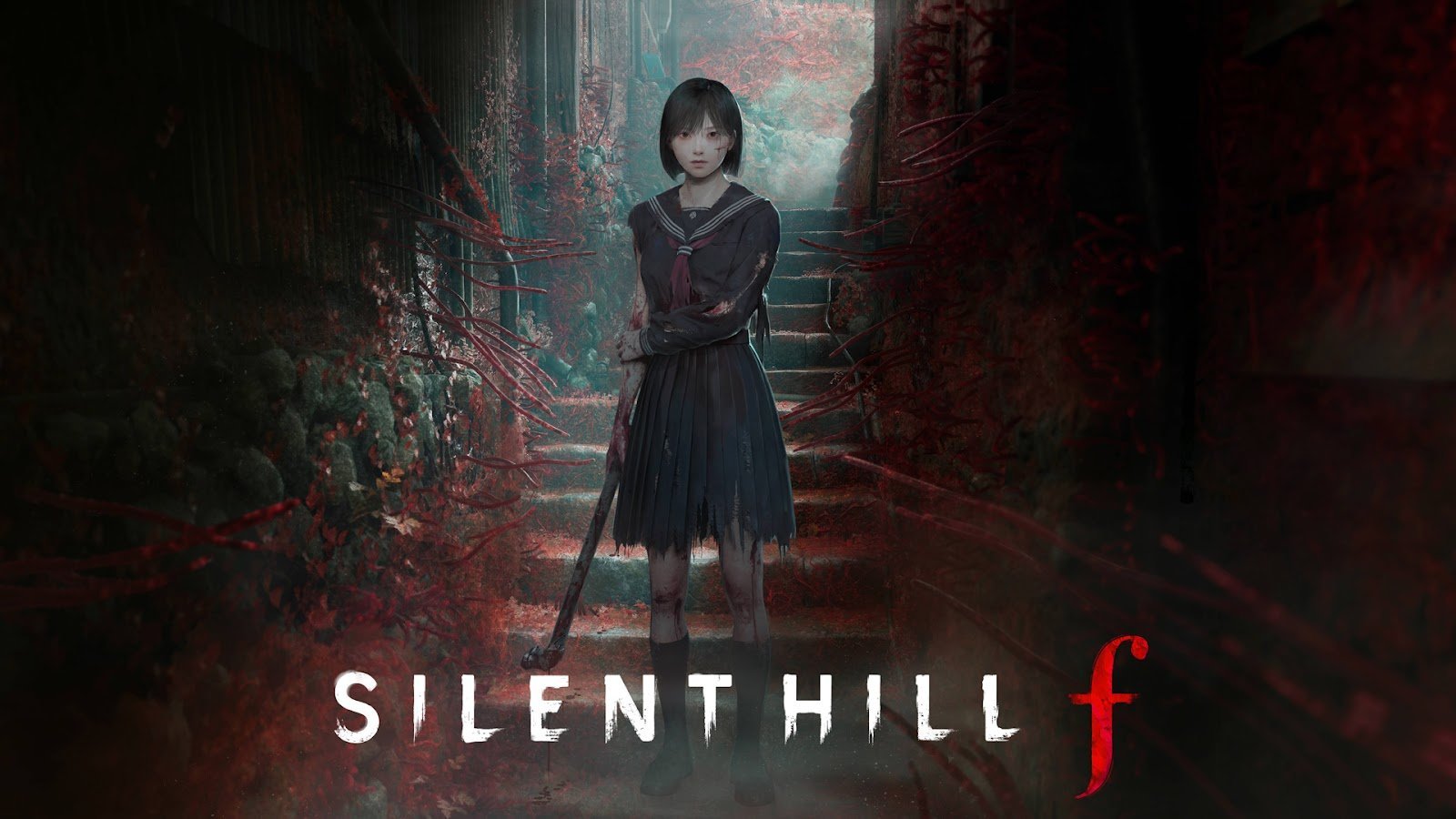
The problem is that, ironically, it’s never been easier for gamers to get their games at a bargain price: instead of buying them at launch, all you have to do is add the title to your wish list and wait for the next big sale. AAA games go through this constantly: *Silent Hill F*, for example, wasn’t even a year old when it was already being discounted online by up to 50%. To compensate for the fact that consumers are paying less, another option is for developers to hope that a larger audience will be able to buy their game—even if not at full price. And here comes the third piece of this disaster.
Audience. According to Edge, the gaming audience has grown exponentially since the beginning of the century. In 2021, according to the article, the gaming market reached 5 billion players across all platforms: PCs, consoles, and mobile devices. However, there are two key points to consider: the first is that this number has stagnated over the past five years, mainly because this growth may have been driven by greater availability and ease of access to technology—it’s rare for someone not to own some kind of device at home, whether it’s a cell phone, computer, or console.
We’ve reached a point where interested users are already on board, and it was precisely this ease of access that led to this ceiling. The other point is that, despite the 5 billion, we need to understand that a large portion of that total is not the target audience for AAA games: one segment consists of casual mobile gamers, while another is made up of players focused on online and indie games. Only a small fraction is looking for these big-budget productions.
1+1+1 doesn't equal 3
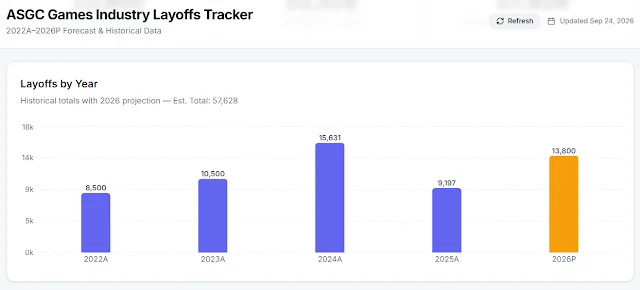
If we put the three factors of the equation together, the numbers don’t add up: the industry is pouring more money into production, selling at stagnant prices or with increasingly rapid discounts, and the audience isn’t growing, driving the bubble to expand. And that’s not all; we’re already seeing major companies struggling with this trend. This year alone, nearly 14,000 layoffs have been recorded in the gaming industry—the second-highest number in the last five years. Furthermore, companies are finding it increasingly difficult to obtain the cutting-edge technology needed to produce and sell state-of-the-art games. All these factors, without an adequate response from the companies, are only pushing them toward a breaking point.
What does "explode" mean?
For those interviewed by EDGE, this “explosion” refers to the impacts on the industry behind AAA games, but in specific parts of the world—primarily in the West. The United States (especially California) and Europe are already experiencing this crisis. In their view, this imbalance causes significant losses that companies must bear in games with astronomical budgets, leading to the layoffs that have been so frequent this year.
It’s worth noting that the article points to Japan as an isolated and secure ecosystem for its AAA companies: studios like Konami and Capcom maintain employee retention rates above 97%, with historically leaner teams and without the same reliance on the live-service model of 500-person teams. This point proves to be somewhat fragile: the text itself acknowledges that Japan “is not entirely a utopia,” as layoffs still occur there—though they are concentrated among outsourced workers outside the country, as part of a deliberate strategy to “protect the core team.” In other words, the problem hasn’t disappeared in Japan—it’s simply been exported.
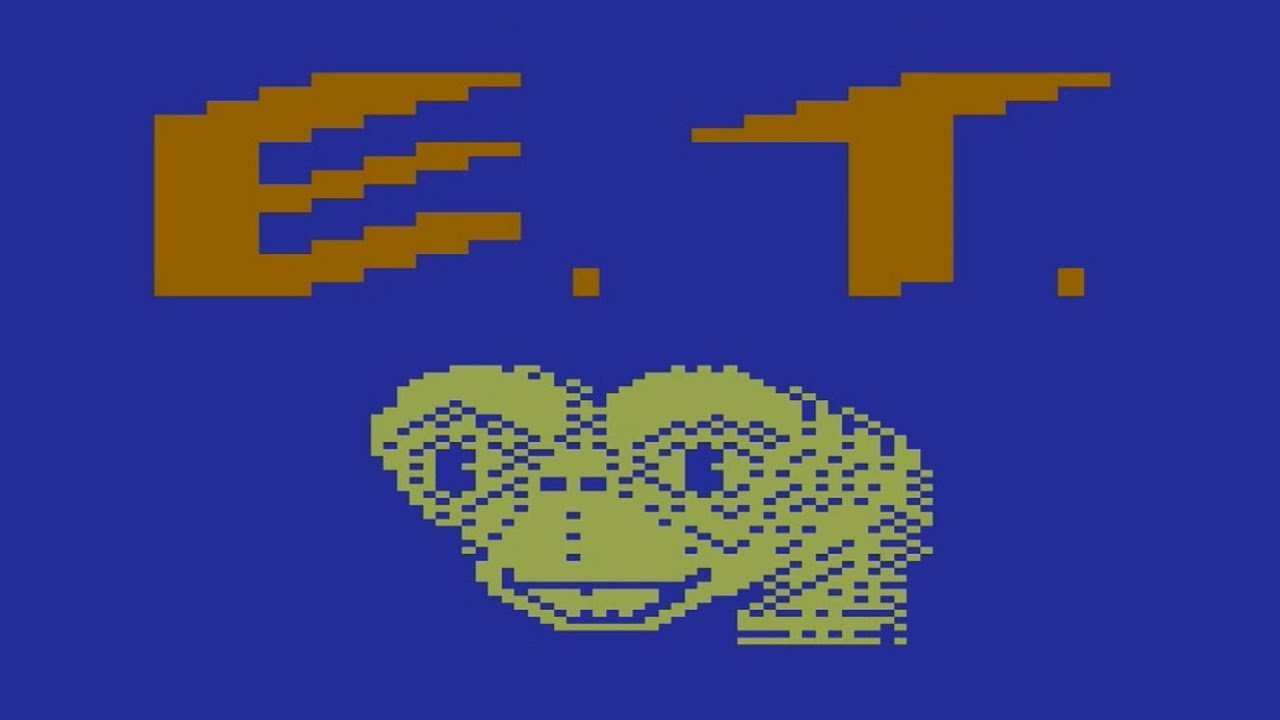
In conclusion, as Sweeney noted, the crisis is unfolding in a manner similar to that of 1983, when the industry’s leading company, Atari, failed to deliver quality products and had to literally bury its games in the desert to put an end to its failure. Today, the AAA giants may be on the verge of collapse and may have to drastically downsize their workforces, exit the gaming market, or simply file for bankruptcy.
Solutions
A viable solution to reduce the impact of this bubble is for these companies to adapt to the current landscape; otherwise, a drastic reset may be forced to restore the developers who have historically been industry leaders.
1 — Graphics and game performance. A company doesn’t always need to use the most sophisticated hardware or release a game with the highest possible technical standards. In fact, that should become a niche. These days, the market is already shifting toward the opposite: the trend is toward simpler games—whether ultra-casual mobile games, indie games with pixelated graphics, or free-to-play games that don’t opt for such heavy investment. Triple-A companies end up becoming the market’s “luxury product,” yet they still believe they completely dominate it.
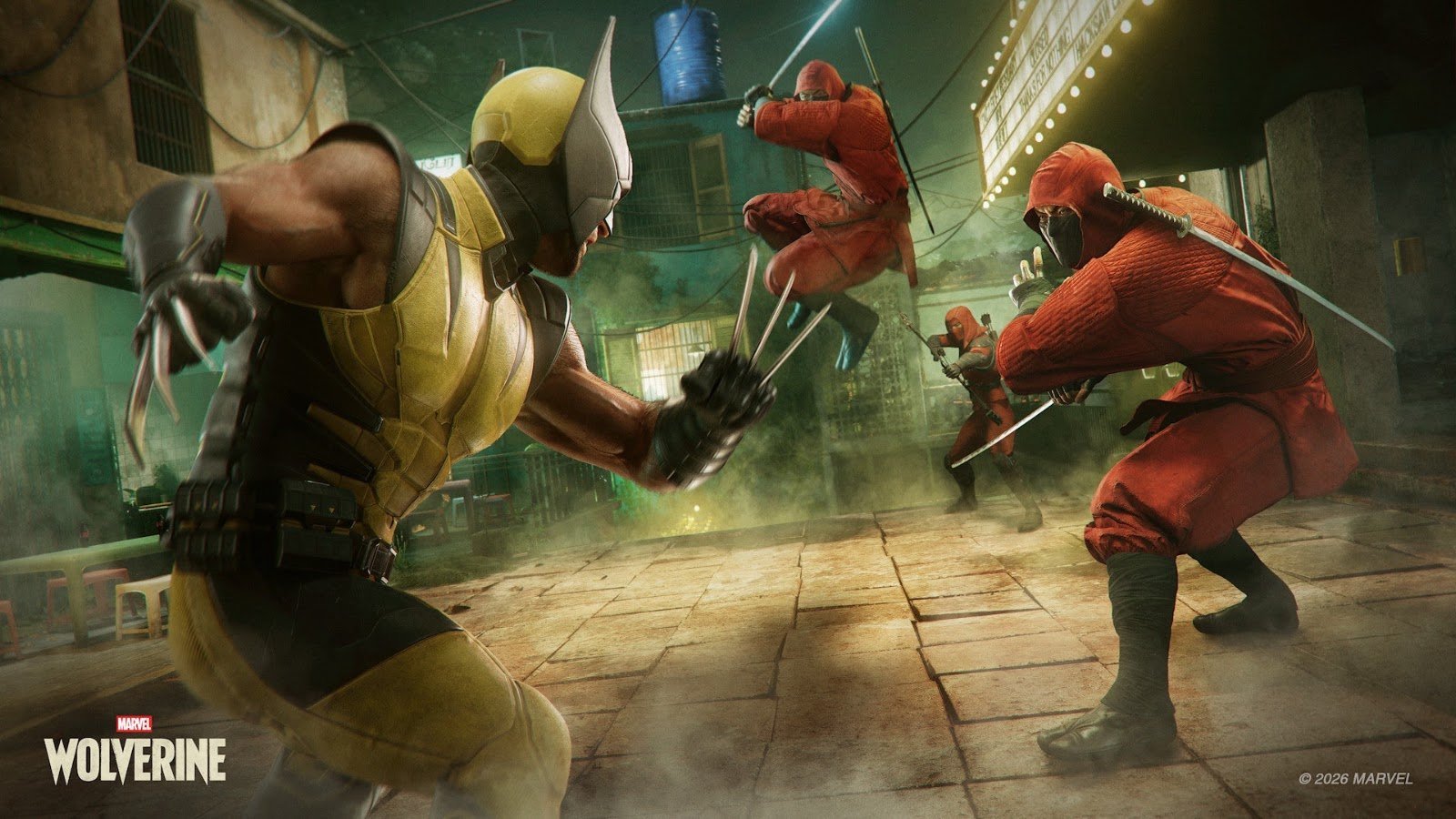
Aside from landmark games like GTA VI, these companies’ production budgets aren’t sustainable, since they’re expected to deliver the next game or sequel to please the public, while expectations only continue to rise. We have a prime example of this right now: Insomniac had huge successes with Spider-Man 1 and 2, and the hype for Marvel’s Wolverine was sky-high. The company made promises. The result? A game with a Metacritic score of 77—the lowest score for any Marvel title from Insomniac—marked by player criticism of gameplay deemed too automated and a price that many felt didn’t match the experience delivered. For a triple-A title, this is a punch in the gut: the company loses credibility with fans, who may decide not to invest in the next title.
If they didn’t bet everything on graphics, for example, these companies could invest less, and it would hurt less if the game weren’t a sales success. It’s not about turning it into a mobile game. AAA games remain luxury products, but the company could at least offer simpler options. To draw a comparison with the mobile phone industry, for example, Samsung succeeds with both its luxury S series and its more affordable A series. Releasing smaller-scale games could be what fuels the production of a “blockbuster game” every 5 or 10 years. Lighter games require simpler components and lower costs; the budget ends up shrinking.
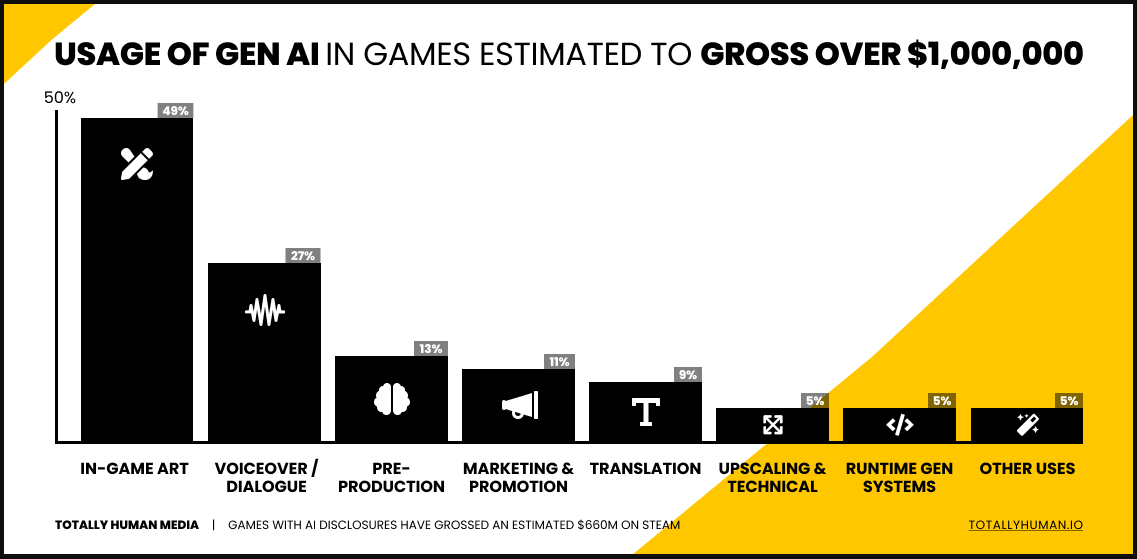
2 — The inclusion of AI. Perhaps the most controversial topic among these solutions is AI. One way or another, it’s here to stay and is already present in the industry today. Although no commercial game has yet been released that was created entirely by AI, Steam itself is already identifying a growing number of titles that incorporate this technology. It’s only a matter of time before the first 100% AI-created game is released. That’s not the answer; people can’t get lazy when it comes to building their games and leave everything up to AI. But that doesn’t mean we can’t take advantage of it: no one needs to spend hours on mechanical tasks, such as writing repetitive lines of code or painting the pixels of a component in its different variations.
AI should serve as a support tool, allowing creators to do what they do best: create new experiences, think outside the box, and bring art to the world of gaming. People need to be better equipped to use AI in their day-to-day lives to optimize their time; this doesn’t mean creating more work for people, but rather freeing up more time to invest in higher-quality work.
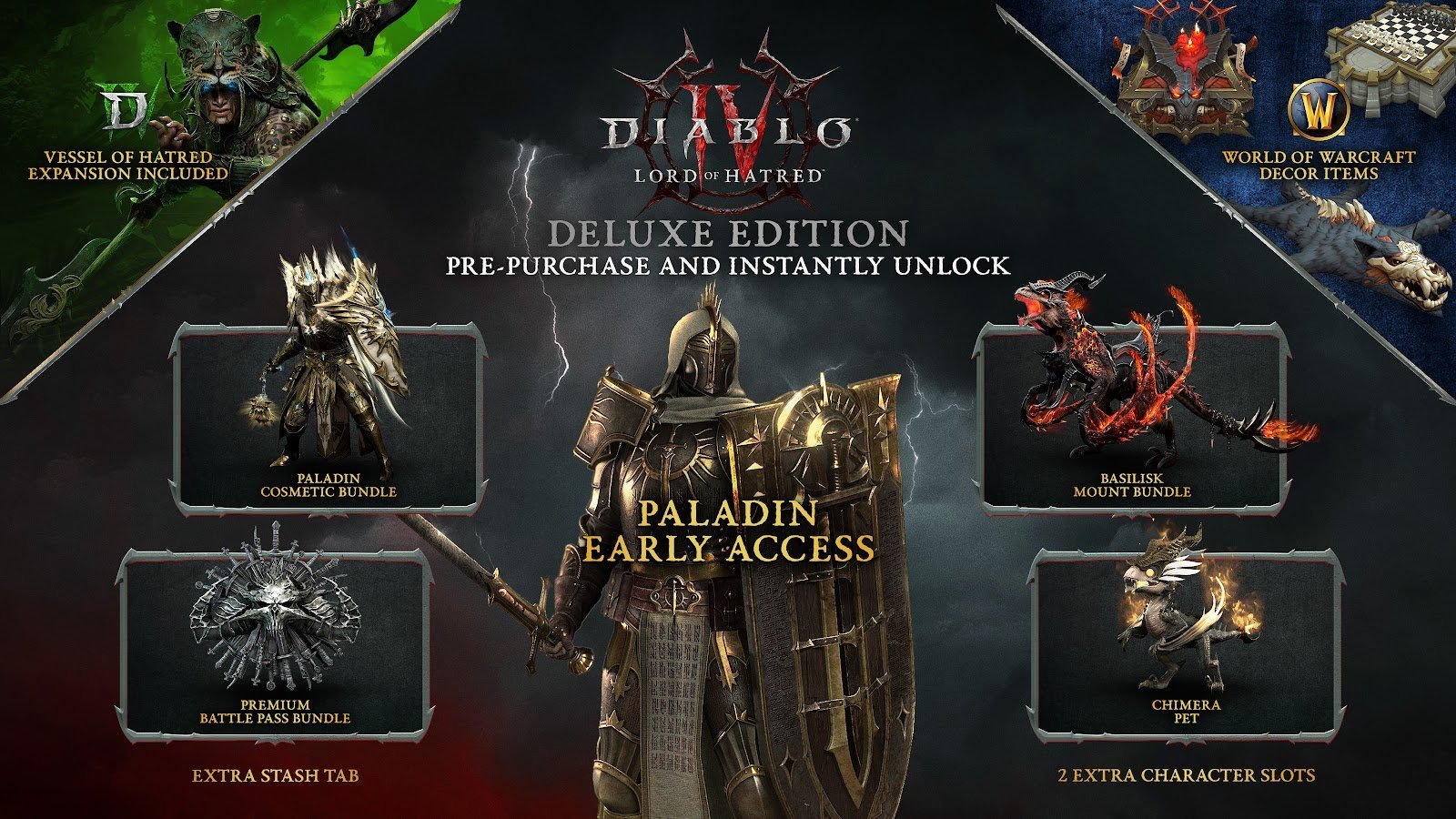
3 — The gaming metaverse. An interesting solution proposed by Tim Sweeney is to focus on ecosystem games. Ecosystem games would be games that share the same ecosystem and economy: buying a resource in game X would give you the same resource in game Y. This is beneficial because multiple games share in the profits from the purchase. Not only that, but a player who plays only game X would still have spent money on game Y.
There isn't a concrete example of this yet along the lines described by Sweeney today. However, there are embryonic forms of it, such as in Blizzard Activision games: when a buyer purchases Diablo, they receive a mount or skin in World of Warcraft and a new hero to use in Heroes of the Storm. Now, take that a step further and give players a tool they can carry with them across multiple games: the opportunity for profit increases. But it’s still a new and economically complex idea, as it requires companies to take the risk not only of sharing profits with others but also of ensuring that their games are sustainable in the long term—which isn’t very realistic for many AAA titles, since they’re single-player, story-driven games.
4 — The famous Blue Ocean. Perhaps the solution is simply to create new demand: the famous Blue Ocean theory. The company that best exemplifies this theory historically is Nintendo: while other companies swim in a “red” ocean—already crowded and full of competition—it innovates in a “blue” ocean, vast and uncharted. The Wii, in this case, is a prime example: no one imagined that a video game console with a controller that looks like a remote control could be so much fun.
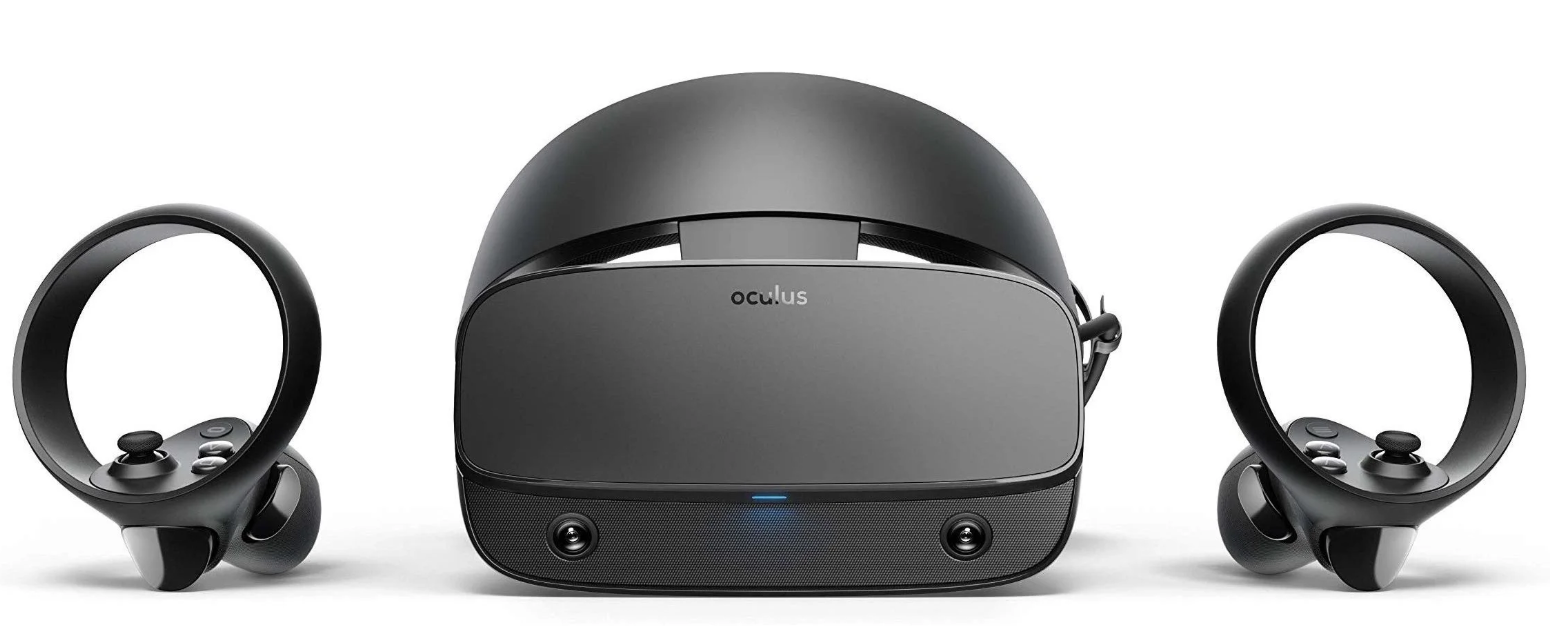
But this also comes with risks: Nintendo itself paid dearly with its next-generation console, the Wii U, and went through a generation in which many developers were unwilling to partner with it. The risks are high, but that’s what gives gamers unique experiences. Perhaps one of these triple-A companies needs to decide to create a new ocean in which to swim. It’s also worth noting that virtual reality, for example, is a technology that hasn’t yet been explored to its full potential, and there’s immense room for growth.
5 — Decentralize production (outsource). One final point, not directly addressed in the original article, is the reinvention of corporate structures: relying increasingly on outsourcing services and keeping only a core team intact. In Japan, as mentioned earlier, this strategy is already in use, which is why the country is suffering less from the crisis.
During periods of mass layoffs, companies tend to cut outsourced services first. The impact is still felt, but outsourced professionals tend to seek opportunities elsewhere, since there is no shortage of them. In fact, these services need not be limited to the gaming industry; they can be offered in other sectors, such as the audiovisual industry. Restructuring the company to consist of “modular components” can help reduce the impact of costs and cut resources in a less drastic manner.
What will become of the video game industry?
What we’re seeing right now may not be the major crisis of 1983; it won’t affect the entire market, and there’s no single culprit today for what AAA companies are going through. But it is impacting companies that have been considered industry leaders for 20 years or more. And perhaps it’s because they’ve become too complacent. Perhaps the boom in mobile gaming, the rise of AI, or the indie boom need to take hold in the market so that these companies—and the thousands of people who dream of working for them—get a reality check and realize that there’s no magic formula for creating their next hit.
Sometimes, the secret isn’t to create the next Call of Duty, God of War, or Zelda. Sometimes, it’s to stray from the traditional formula and experiment with new ways of producing their work. There will always be an audience willing to buy the new Pokémon or FIFA every year, but if these companies rely solely on that, they’ll go out of business. The Pokémon Company, for example, derives a significant portion of its profits from other sources within the franchise itself, such as the collectible card game (TCG), and not necessarily from the most recent mainline game. A crisis similar to the one in 1983 is a real possibility, but it’s here to bring down those who think they don’t need to reinvent themselves. Gamers will always be there, waiting for something fresh to invest their hundreds of hours in.
For game developers: You need to break even before the next project.
This article is not an attack on AAA. It is a warning from someone who loves what you do. Budgets that can only be covered by record sales, prices that players can’t keep up with, and a player base that has stopped growing add up to a fragile equation. Mass layoffs are the symptom.
The good news is that there are ways forward: projects that fit the real market, shorter development cycles, pricing and release strategies tailored to each region’s audience, lower-risk projects, and greater diversity in genres and platforms. Studios that prepared themselves before the crisis are weathering it better.
If your company is reading this, the question isn’t whether the next project will be a big one, but whether it will survive if it sells half as much as expected. Review the scope, budget, and price now, while there’s still room to make choices. The player and the industry will thank you.
Get in touch
To talk about your game, your studio or anything else in the world of games, the channels are below.
For educational or general matters, write to contato@gamesjur.com. For legal matters, write to contato@cavalcanteip.com.br.
Translated from the original Portuguese. Read it in Portuguese
Originally published in Portuguese on GameBlast on Sep 25, 2026.
Portuguese copy editing: Camila Sales
References: Edge (Issue #428), Gamesindustry.biz, Game File, Video Games Chronicle, Game Developer, IsThereAnyDeal, ComingSoon, Mantel, Layoffs